What “Good” Airflow Management Actually Looks Like
Summary
Good airflow management is not about perfection. It’s about good control. In a well-functioning data center, cold air consistently reaches server inlets, hot air returns without mixing, and temperatures behave predictably across the room. This article explains what “good” actually looks like on the floor—and how to tell if your environment is working the way it should.
Good Airflow Starts With One Thing: Control
Airflow management is often treated like a checklist—install containment, add blanking panels, seal openings. Those things matter, but they’re not the goal.
The goal is control.
Good airflow means you can predict where air will go before it gets there. Cold air moves toward server inlets. Hot air moves away and returns cleanly to cooling units. There are no major shortcuts, no unexpected mixing, no areas where airflow behaves differently than expected. When airflow is controlled, everything else—temperature, capacity, efficiency—becomes easier to manage.
Cold Air Reaches the Servers (Consistently)
In a well-managed environment, supply air doesn’t just enter the room—it reaches the front of every rack.
That sounds obvious, but in many facilities, airflow distribution is uneven. Some racks receive more air than they need, while others are left with less. The system is still running, but it’s not delivering evenly.
Good airflow fixes that imbalance.
You see:
Consistent inlet temperatures across racks in the same row
No isolated hot racks surrounded by normal ones
No need to “overcool” the room to protect problem areas
Cold air is not just present—it’s properly distributed.
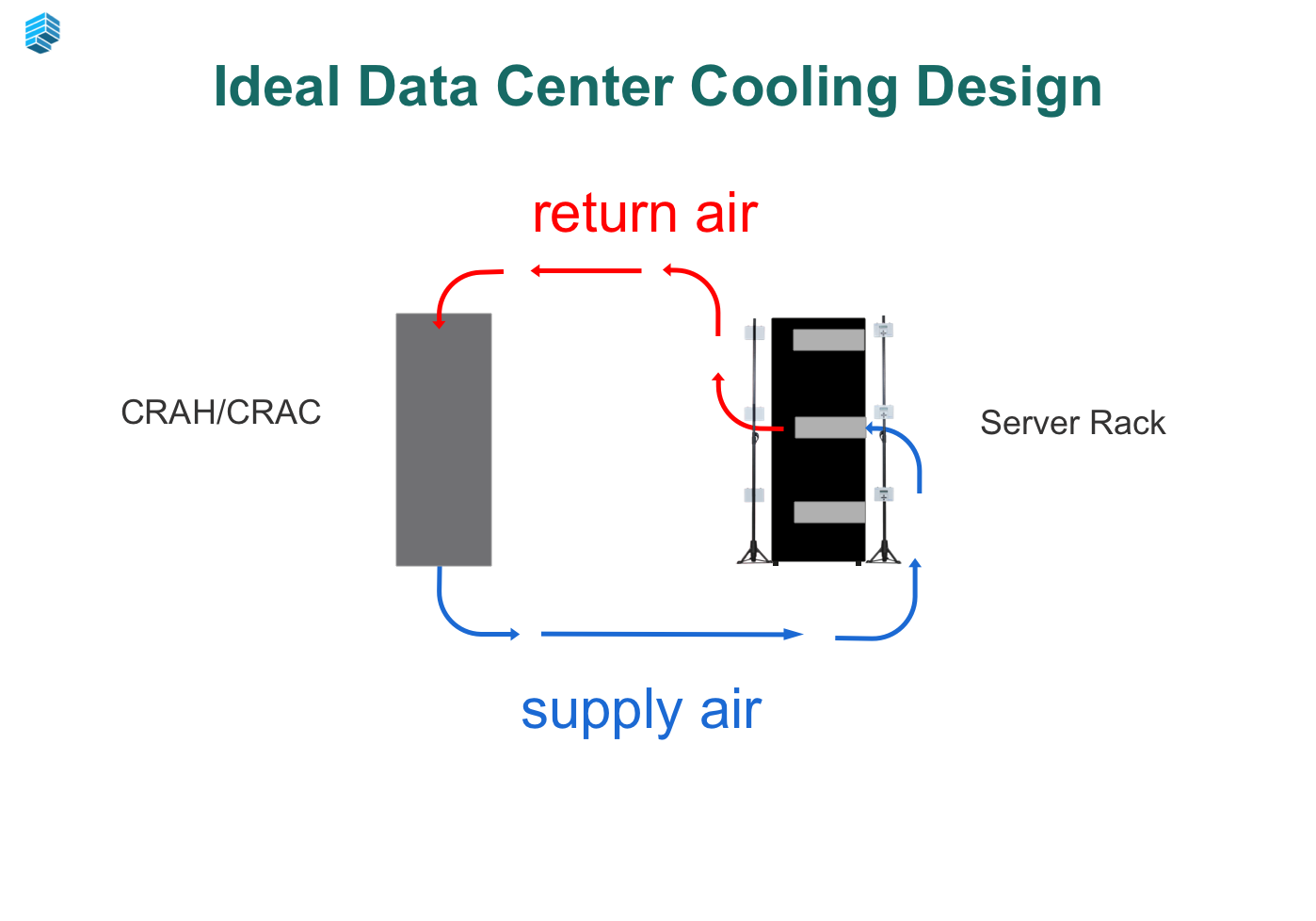
Ideal Pathway
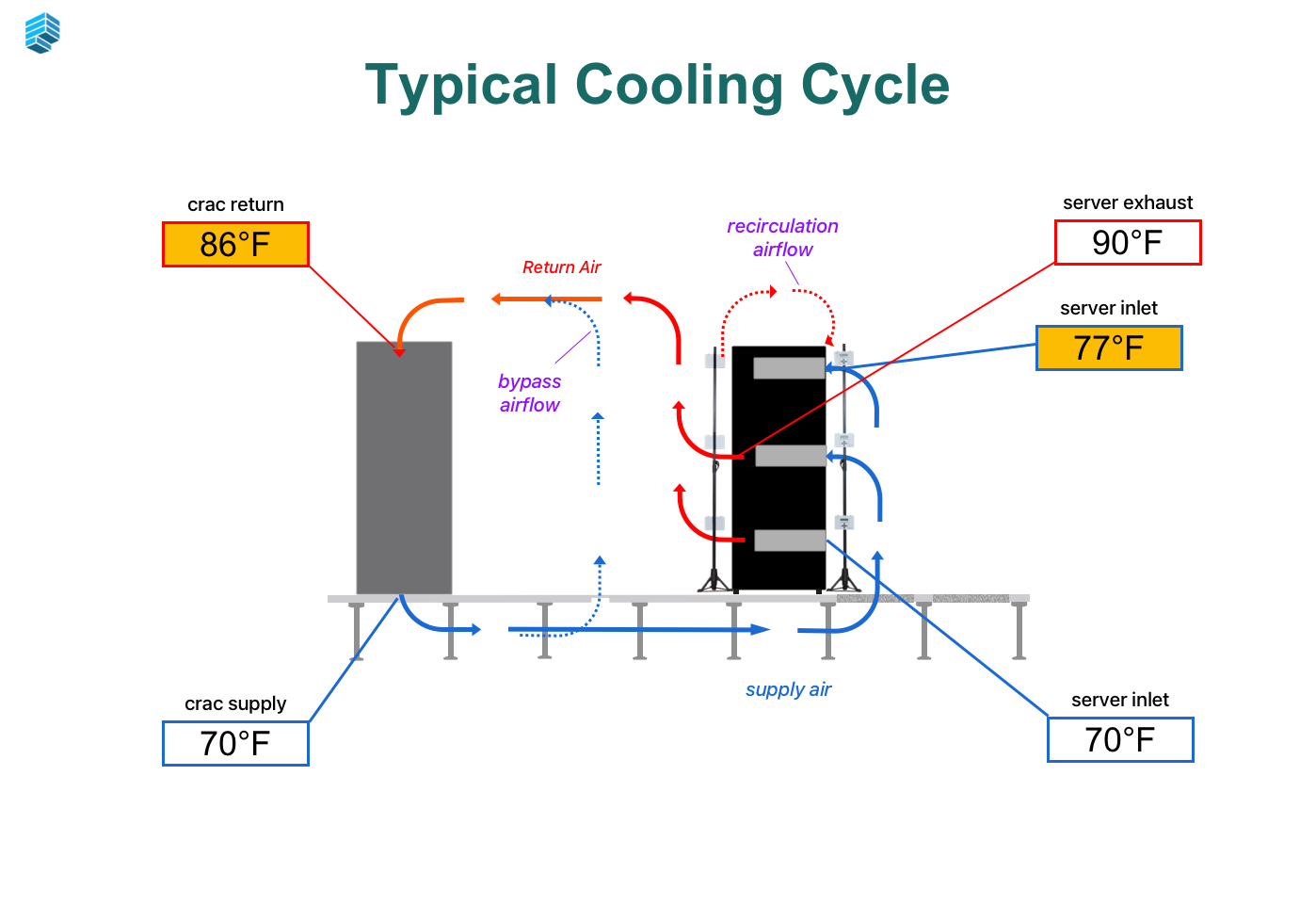
Typical Pathway
Hot Air Leaves Cleanly and Predictably
Good airflow doesn’t stop at the server. It also ensures that hot air leaves the environment without interfering with supply air. In practice, this means hot exhaust is contained, directed, and returned to cooling units without spilling back into the cold aisle.
When this works well:
There is a clear temperature difference between front and back of rack
Hot aisles stay hot, cold aisles stay cold
Cooling units receive consistent return temperatures
When it doesn’t, recirculation creeps in. Hot air mixes back into the cold aisle, and the system becomes harder to control.
Good airflow keeps those paths separate.
Airflow Direction Is Clear
Air should move in a straight, predictable path:
Front of rack → through servers → back of rack → return
In a well-managed environment, that direction is obvious.
You don’t see cold air drifting sideways across rows. You don’t see hot air spilling into adjacent aisles. Air moves forward, through equipment, and away.
This is what makes the system stable.
Once airflow direction breaks—due to gaps, pressure imbalances, or poor layout—air starts taking shortcuts. That’s when bypass and recirculation take over.
Good airflow keeps direction intact.
Small Details Are Under Control
Airflow problems rarely come from large design failures. They come from small, physical details that are easy to overlook.
Good airflow management means those details are handled consistently:
Blanking panels are installed in unused rack spaces
Side panels are in place between cabinets
Cable openings are sealed or minimized
Floor tiles are positioned intentionally
Individually, these seem minor. Together, they define whether air follows the intended path or escapes it.
In a well-managed space, there are no obvious “leaks” in the system.
Temperatures Are Consistent, Not Just Acceptable
One of the clearest signs of good airflow is consistency.
Not just acceptable temperatures—but stable ones.
Across racks, you see:
Similar inlet temperatures within the same row
Minimal variation between adjacent cabinets
Fewer unexpected hot spots or alarms
This matters more than hitting a specific number.
You can have a room that averages 72°F and still have racks running hot. Good airflow eliminates that variation. It makes temperature a reliable signal, not a misleading one.
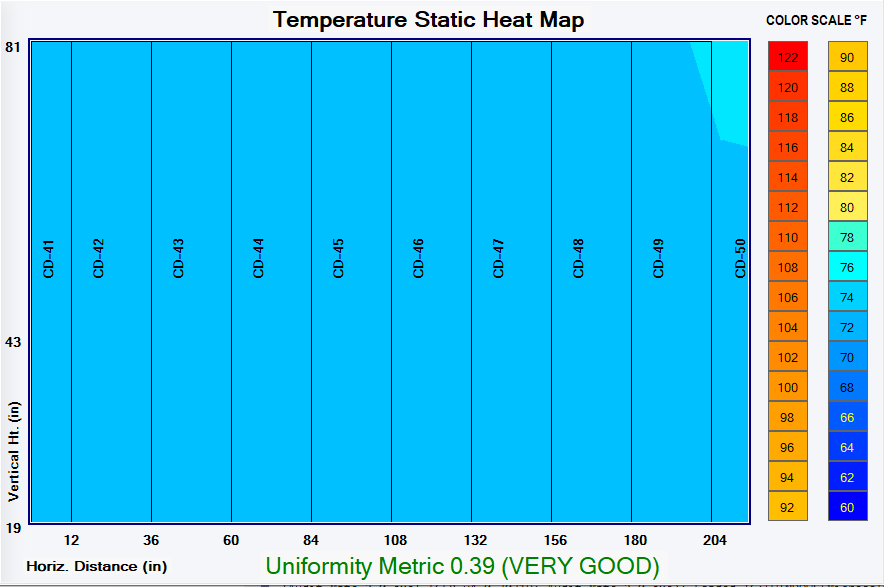
Aisle with Good Temperature Consistency
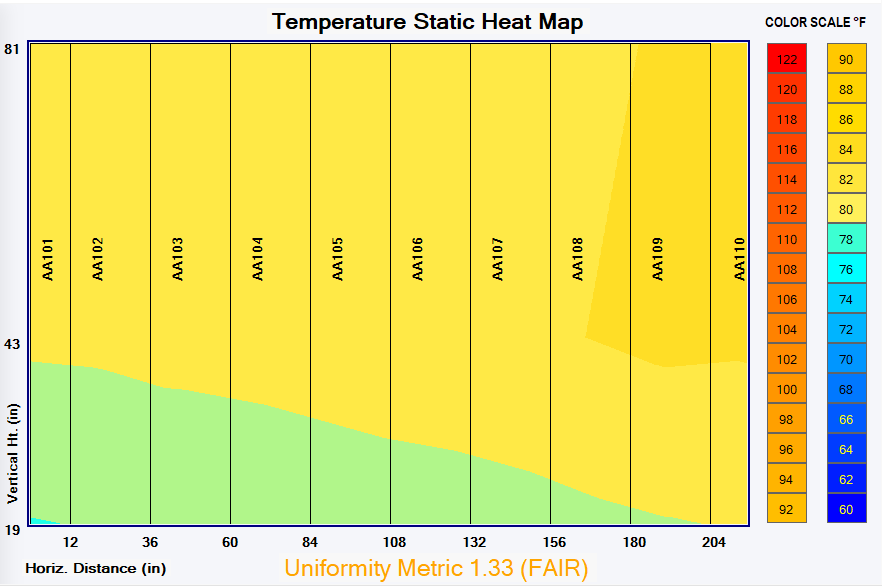
Aisle with Poor Temperature Consistency
The System Behaves Predictably
This is the real test.
In a well-managed environment, changes produce expected results:
Increase in load → gradual, understandable rise in temperature
Adjustment to cooling → measurable improvement
Layout change → visible impact in the right places
There are fewer surprises.
When airflow is poor, the system feels reactive. Hot spots appear without warning. Fixes don’t always work. Conditions shift throughout the day.
Good airflow removes that uncertainty. It makes the environment easier to operate and troubleshoot.
What Good Airflow Does Not Require
Good airflow is not about:
Adding more cooling units
Lowering temperature setpoints
Increasing fan speeds
Those actions may mask problems, but they don’t solve them.
In fact, they often make airflow issues worse by increasing pressure imbalances and accelerating mixing.
Good airflow is about using existing cooling effectively—before adding more.
Final Takeaway
Good airflow management is not a single fix. It’s the result of many small decisions working together.
When airflow is controlled:
Cold air reaches servers
Hot air returns cleanly
Temperatures stay consistent
The system behaves predictably
That’s what “good” looks like. Not perfect—but reliable.
And once airflow is reliable, everything else—capacity planning, efficiency, and troubleshooting—becomes significantly easier.
Want to Learn More on Airflow Management?
Check out these other Keep your Cool Articles or visit our learning resources page.